 Astral Harvest Music Festival Bundle
 Xanax (2mg) - 1
 GHB 100ML
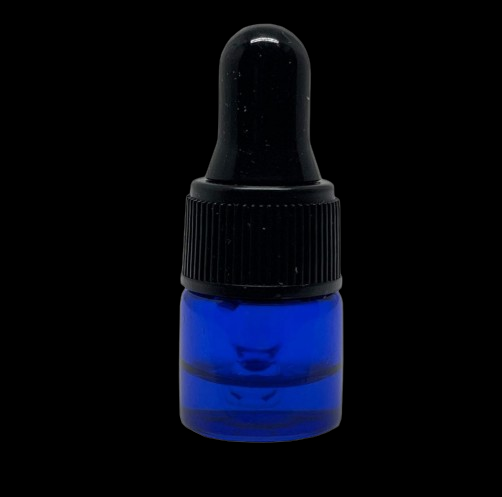 Liquid LSD (20 Hits)
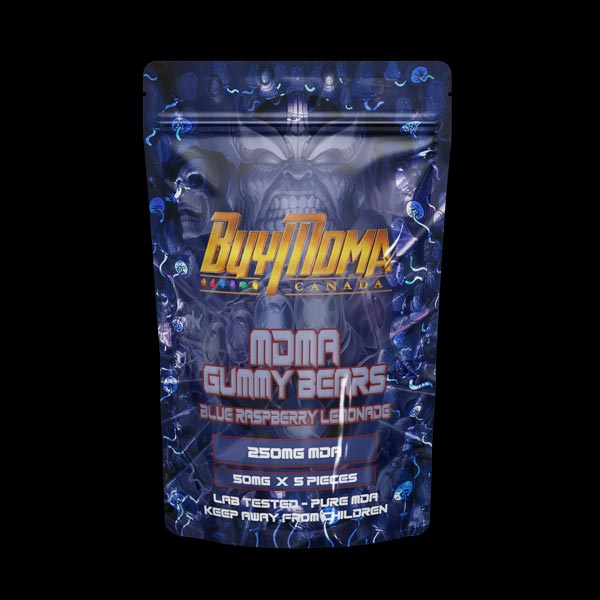 250mg MDMA Blue Raspberry Lemonade Gummies
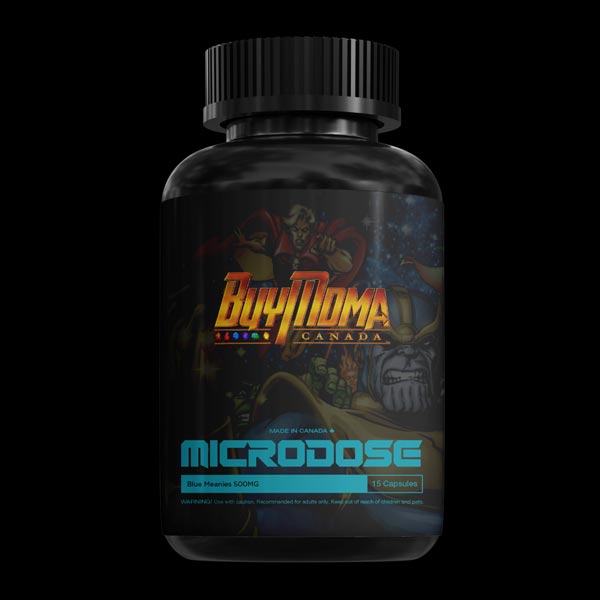 Blue Meanies Microdose 500MG (15)
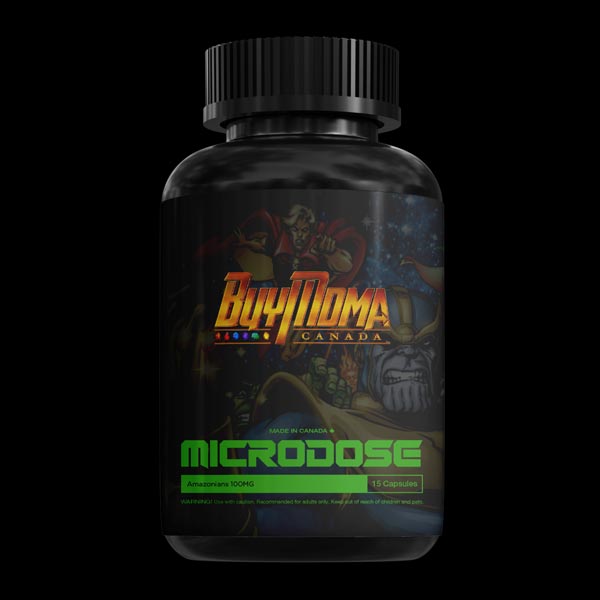 Amazonian Microdose 100MG (15)
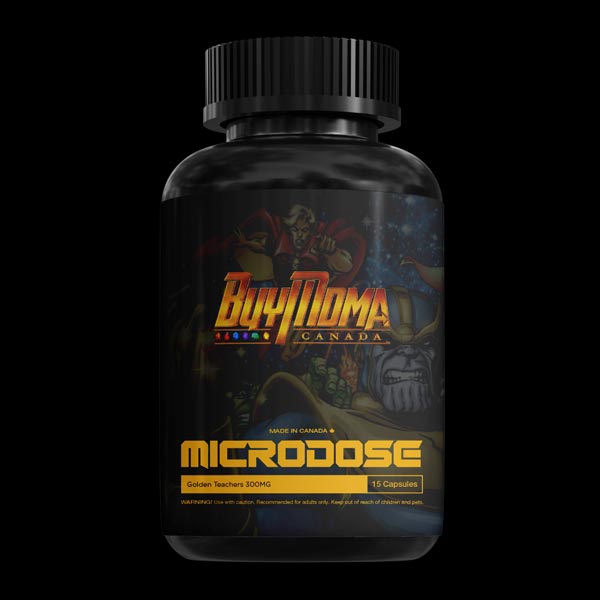 Golden Teacher Microdose 300MG (15)
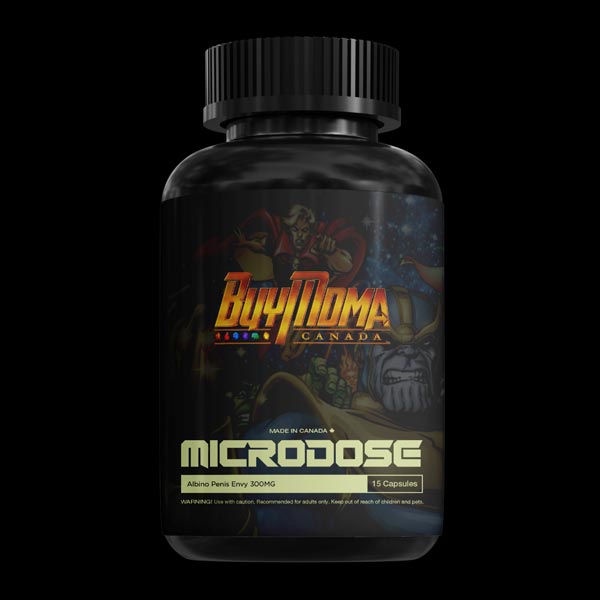 Albino Penis Envy Microdose 300MG (15)
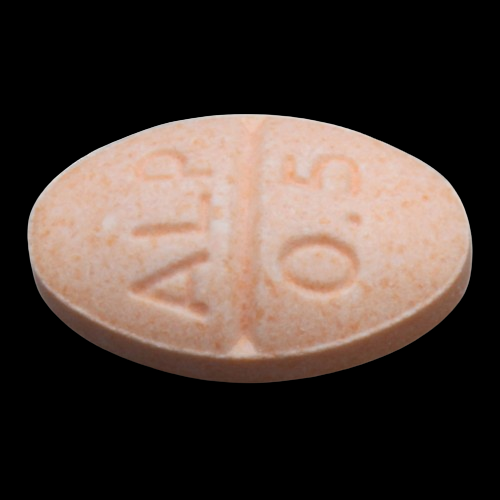 Peach Alprazolam (.5mg) Pharmacy Grade Rx
 2-MMC 100MG
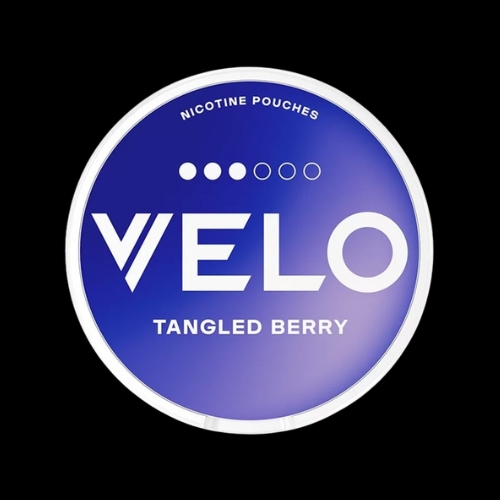 Velo Tangled Berry 10mg
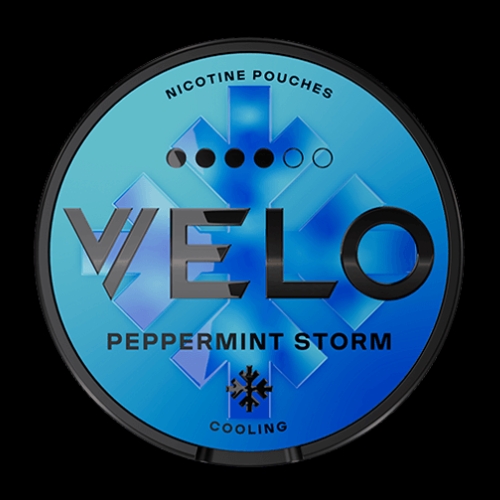 Velo Peppermint Storm 11mg
 LSD Edible 100ug Blue Raspberry
 Milk Chocolate Crunch Bar - 3000MG
 LSD Edible 100ug Dark Chocolate
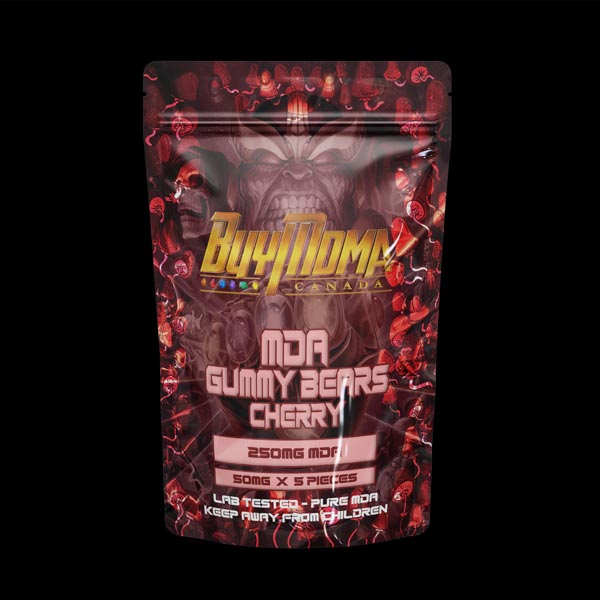 250MG MDA Gummy Bears – Cherry
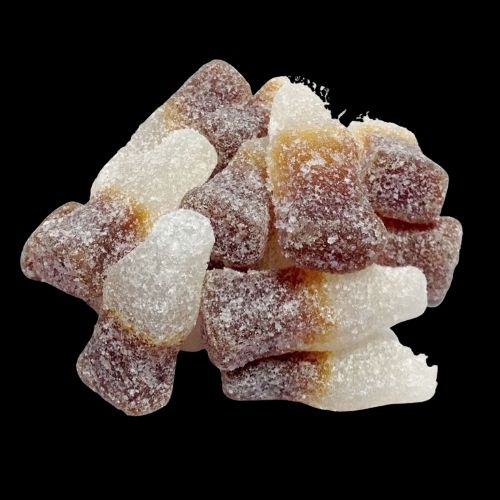 LSD Edible 100ug Cola Bottle
 LSD Edible 100ug Mango Slices
 LSD Edible 100ug Watermelon
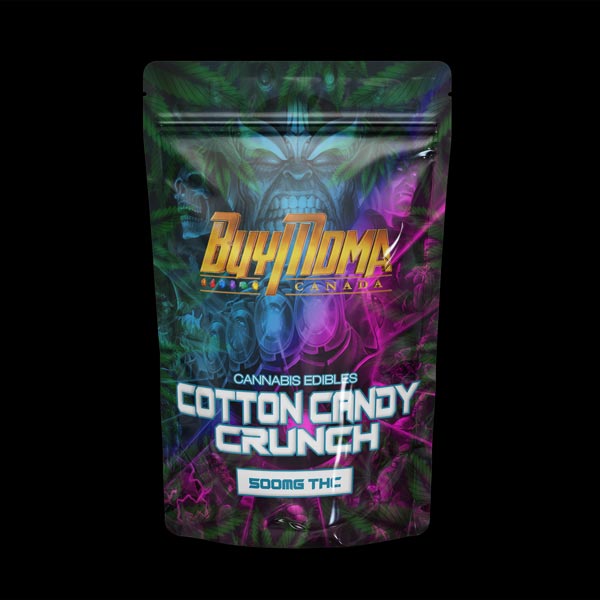 Cotton Candy Crunch Treat 500mg THC
 Stoner Jacks – Snackers Bliss 200MG THC
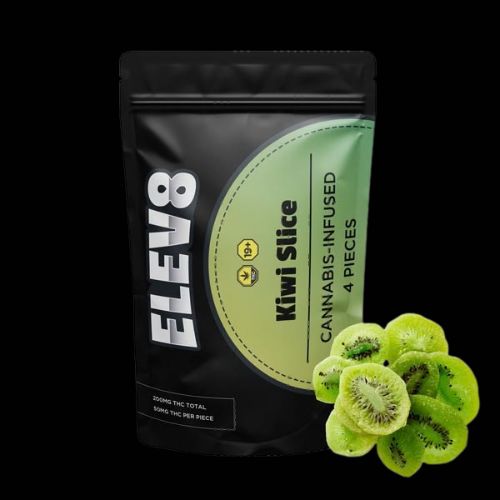 Elev8 – 200mg THC Kiwi Slices
 Elev8 – 200mg THC Mango Slices
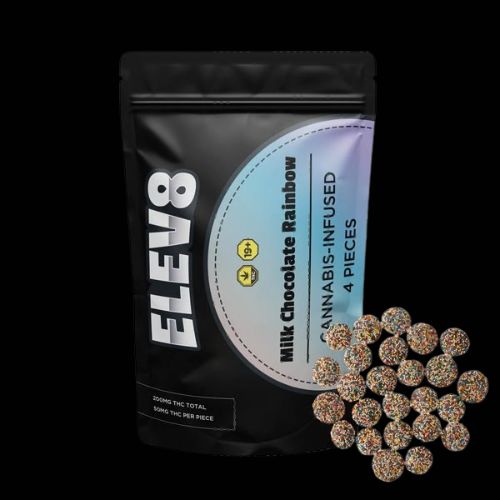 Elev8 – 200mg THC Milk Chocolate Rainbow
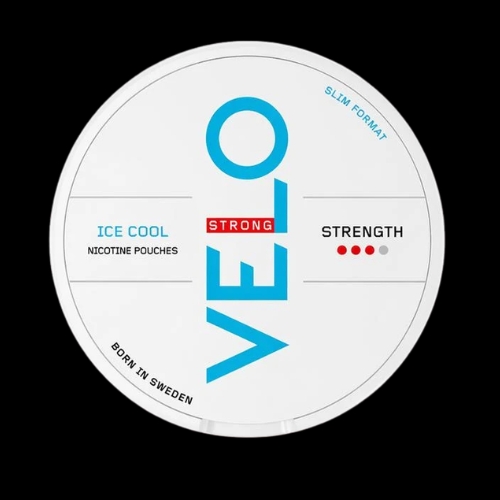 Velo Ice Cool 10mg

The Ethics of Psychedelic Therapy in the Modern World
As psychedelic research re-enters mainstream science, one question sits at the center of every serious conversation:
Just because something can be explored — should it be?
Psychedelic therapy is no longer confined to underground spaces or cultural movements. It is being studied in universities, discussed by policymakers, and considered within mental health frameworks. With this legitimacy comes responsibility. Ethics are no longer optional; they are foundational.
Understanding the ethical dimensions of psychedelic therapy is essential to understanding where this field can responsibly go.
Why Ethics Matter More Than Enthusiasm
Historically, medical and psychological breakthroughs have often moved faster than ethical frameworks. Psychedelic research is attempting to avoid that mistake.
Enthusiasm alone can lead to:
- Overpromising outcomes
- Inadequate screening
- Power imbalances between facilitators and participants
- Commercial exploitation
Ethics slow things down — and that’s precisely their purpose. In psychedelic therapy, slowing down protects individuals, communities, and the credibility of the field itself.
Vulnerability and Power Dynamics
Psychedelic therapy often involves emotionally intense experiences. Participants may be vulnerable, introspective, or psychologically open.
This creates an inherent power imbalance.
Ethical practice must account for:
- Informed consent that is ongoing, not one-time
- Clear professional boundaries
- Transparency around risks and limitations
- Participant autonomy at every stage
Ethical frameworks emphasize that insight must never come at the cost of safety or dignity.
Informed Consent Is Not a Form — It’s a Process
True informed consent involves more than paperwork.
Ethical psychedelic therapy requires participants to understand:
- The range of possible experiences
- That outcomes are unpredictable
- That discomfort or difficulty may arise
- That no guarantees are made
Consent must be revisited throughout preparation, experience, and integration. Anything less reduces consent to compliance rather than understanding.
The Risk of Commercialization Without Oversight
As public interest grows, commercialization inevitably follows. Ethics demand caution.
Unchecked commercialization can lead to:
- Exaggerated claims
- Pressure to participate
- Reduction of therapy to a product
- Marginalization of safety practices
Modern ethical discussions emphasize that psychedelic therapy must not become a transactional experience. The focus must remain on care, not consumption.
Cultural Responsibility and Historical Context
Psychedelic substances have deep roots in Indigenous and traditional practices. Ethical exploration requires acknowledging this history rather than erasing it.
Ethical responsibility includes:
- Respect for cultural origins
- Avoiding appropriation
- Recognition rather than repackaging
- Inclusion of Indigenous voices where appropriate
Ignoring history does not accelerate progress — it undermines it.
Equity and Access
Ethics also demand examination of who benefits.
If psychedelic therapy becomes accessible only to those with wealth, privilege, or geographic proximity, it risks deepening existing inequalities.
Ethical frameworks increasingly address:
- Fair access
- Inclusion in research populations
- Avoiding elite-only models
- Transparency around availability
Equity is not an afterthought — it is a measure of ethical success.
Safety Is an Ethical Obligation
Ethics and safety are inseparable.
Modern psychedelic research emphasizes:
- Psychological screening
- Exclusion criteria for vulnerable individuals
- Emergency preparedness
- Integration support
Failure to implement safety protocols is not just negligent — it is unethical.
Ethics Shape Public Trust
Public trust determines whether psychedelic therapy can continue to be researched and discussed responsibly.
When ethics are prioritized:
- Research credibility increases
- Policy discussion becomes constructive
- Public understanding deepens
When ethics are ignored, progress stalls.
Trust is built slowly — and lost quickly.
Ethics Over Outcomes
Perhaps the most important ethical principle is this:
Ethics do not exist to guarantee positive outcomes. They exist to protect human dignity regardless of outcome.
Not every experience will be helpful. Not every participant will benefit. Ethical practice ensures that even when outcomes are neutral or difficult, individuals are treated with respect and care.
The Future Depends on Ethical Discipline
The future of psychedelic therapy will not be determined by substances alone. It will be determined by:
- Ethical discipline
- Cultural humility
- Regulatory responsibility
- Scientific integrity
Progress that ignores ethics is fragile. Progress grounded in ethics endures.
Conclusion
The ethics of psychedelic therapy are not obstacles to advancement — they are its foundation.
By centering consent, safety, equity, and responsibility, the modern psychedelic field has an opportunity to evolve differently than many movements before it.
The question is not whether psychedelic therapy will expand.
It is how carefully and thoughtfully that expansion will occur.
Ethics decide the answer.
Available for delivery across Canada only.
🛒 Buy Now
💸 20% off the entire store — no minimum
Promo Code: BLOG20