
Canadian Psychedelic Laws 2026: What You Need to Know
The conversation around psychedelics is evolving at a rapid pace. Once relegated to the fringes of society, substances like MDMA, LSD, DMT, and ketamine are now at the forefront of a mental health revolution. With promising research highlighting their therapeutic potential, many Canadians are left wondering about the legal landscape. As we navigate 2026, the question on everyone’s mind is: what are the canadian psychedelic laws 2026? This guide will provide a clear and comprehensive overview of the current legal framework, helping you understand the nuances of psychedelic regulation in Canada.
The Current Federal Stance: A Look at the Controlled Drugs and Substances Act
In Canada, the primary piece of legislation governing controlled substances is the Controlled Drugs and Substances Act (CDSA). It’s crucial to understand that, despite a growing acceptance and a burgeoning grey market, most psychedelics remain illegal for recreational use. Psilocybin (the active compound in magic mushrooms), for instance, is classified as a Schedule III controlled substance. This means that possession, production, and trafficking of psilocybin are prohibited unless authorized by Health Canada.
The federal government’s stance is rooted in a desire to protect public health and safety. While the therapeutic benefits of psychedelics are being explored, there are also risks associated with their use, particularly in uncontrolled settings. The government’s cautious approach aims to balance the potential for harm with the potential for healing. The current canadian psychedelic laws 2026 reflect this balancing act, prioritizing a medical and scientific framework for access.
The “Grey Market” vs. Legal Reality
In major Canadian cities, you may have noticed the emergence of dispensaries selling psychedelic products. These storefronts operate in a legal grey area, much like cannabis dispensaries did before legalization. It’s important to recognize that these businesses are not operating legally. They exist due to a combination of factors, including shifting public opinion and a deprioritization of enforcement by local police.
However, the existence of these dispensaries does not change the fact that selling or purchasing psychedelics from them is against the law. The products sold in these unregulated shops are not subject to quality control, which means they can vary in potency and may contain harmful contaminants. For your safety, it is always best to avoid the grey market and seek out legal and regulated sources for any substances. For those interested in harm reduction, our shop offers a variety of testing kits and educational resources. You can browse our ketamine products and other harm reduction tools.
Penalties for Psychedelic Offences in Canada
The penalties for psychedelic-related offences under the CDSA can be severe. The consequences depend on the specific offence, the substance involved, and the quantity. Here’s a general overview:
- Possession: For a first offence, simple possession can be treated as a summary conviction, leading to a fine or a short prison sentence. However, for subsequent offences or if prosecuted as an indictable offence, the penalties can be much harsher.
- Trafficking: The sale and distribution of psychedelics is a serious indictable offence, carrying a maximum penalty of ten years in prison.
- Production: Growing magic mushrooms or synthesizing psychedelics like LSD or MDMA is also an indictable offence, with penalties that can range up to a maximum of ten years in prison.
It’s clear that the Canadian government takes a serious stance on the unauthorized production and distribution of psychedelics. As the conversation around canadian psychedelic laws 2026continues to evolve, it’s possible that these penalties will be revisited, but for now, they remain a significant deterrent.
Legal Avenues for Access: Medical and Research Pathways
While recreational use of psychedelics is illegal, there are legal pathways for accessing them for medical and scientific purposes. Health Canada’s Special Access Program (SAP) allows physicians to request access to restricted drugs like psilocybin and MDMA for patients with serious or life-threatening conditions where conventional treatments have failed. This program has provided a lifeline for many Canadians suffering from conditions like PTSD, depression, and end-of-life anxiety.
In addition to the SAP, there are a growing number of clinical trials investigating the therapeutic potential of psychedelics. These trials are essential for gathering the data needed to inform future policy decisions. In a landmark move, Alberta became the first province to regulate the medicinal use of psychedelics in 2023, allowing licensed psychiatrists to administer them to patients under specific protocols. This is a significant step forward and a sign that the medical community is embracing the potential of these powerful substances. For those interested in learning more about the therapeutic uses of psychedelics, we have a range of resources available in our shop, including information on MDMA and LSD.
What Psychedelics Are Explicitly Controlled?
The CDSA explicitly lists a number of psychedelic substances as controlled. This list is extensive and includes both naturally occurring and synthetic compounds. Some of the most well-known controlled psychedelics include:
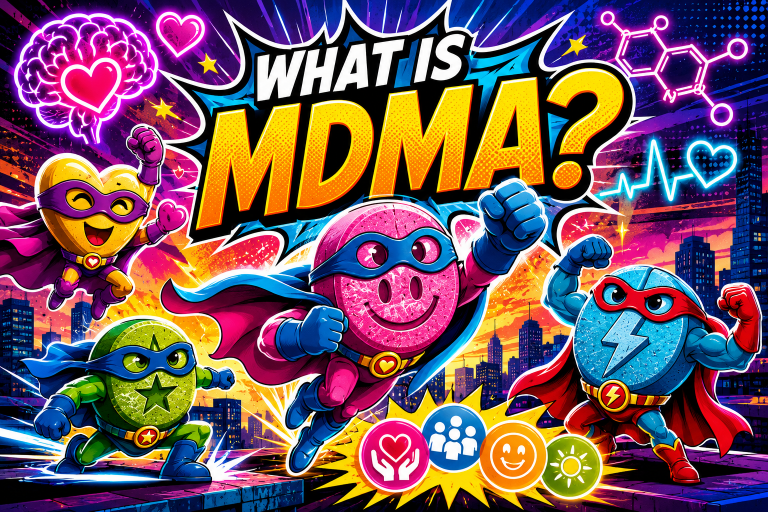
- MDMA: Also known as ecstasy or molly, MDMA is a synthetic compound that has shown great promise in the treatment of PTSD.
- LSD: A powerful hallucinogen, LSD has a long history of both recreational and therapeutic use.
- DMT: A naturally occurring psychedelic found in many plants and animals, DMT is known for its intense and short-acting effects.
- Ketamine: While technically a dissociative anesthetic, ketamine is often used in a therapeutic context for its psychedelic effects. It has been approved for the treatment of depression in the form of a nasal spray.
- Psilocybin and Psilocin: The active compounds in magic mushrooms, these substances are being studied for their potential to treat a range of mental health conditions.
This is by no means an exhaustive list, and the CDSA is regularly updated to include new and emerging substances. The complexity of the canadian psychedelic laws 2026 underscores the importance of staying informed and consulting reliable sources. For more information on specific substances, you can explore our product categories, such as our DMT and edibles sections.
The Future of Canadian Psychedelic Laws 2026
The legal landscape for psychedelics in Canada is in a state of flux. While the federal government has been slow to make changes, there is a growing movement of advocates, researchers, and healthcare professionals calling for reform. The success of cannabis legalization has provided a potential roadmap for how psychedelics could be regulated in the future.
A regulated market for psychedelics could provide a number of benefits, including improved safety, quality control, and increased access for those who could benefit from their therapeutic use. However, there are also many challenges to overcome. The unique nature of psychedelics requires a thoughtful and nuanced approach to regulation. It’s not as simple as putting them on a shelf next to alcohol and tobacco. The future of canadian psychedelic laws 2026 will likely involve a multi-pronged approach, with different regulations for different substances and different contexts of use.
Harm reduction and education will be key components of any future regulatory framework. It’s essential that people have access to accurate information about the risks and benefits of psychedelics, as well as the tools and resources they need to use them safely. As we move forward, it’s important to continue the conversation and advocate for policies that are grounded in science, compassion, and public health.
FAQ: Your Questions Answered
Are magic mushrooms legal in Canada in 2026?
No, magic mushrooms are not legal for recreational use in Canada in 2026. They are a Schedule III controlled substance under the CDSA. However, there are legal pathways for accessing psilocybin for medical and scientific purposes.
Can I buy psychedelics online legally in Canada?
No, it is not legal to buy psychedelics online for recreational use in Canada. Any website selling these substances is operating illegally. It’s important to be wary of online vendors, as the products they sell are unregulated and could be dangerous.
What is the difference between decriminalization and legalization?
Decriminalization means that the criminal penalties for possessing a substance are removed. It does not mean that the substance is legal to sell or produce. Legalization, on the other hand, means that the substance is legal to produce, sell, and possess, subject to government regulation. The current conversation around canadian psychedelic laws 2026 involves both decriminalization and legalization models.
We hope this guide has provided you with a clearer understanding of the complex world of Canadian psychedelic laws. As the landscape continues to evolve, it’s more important than ever to stay informed and prioritize safety and harm reduction. If you’re looking for high-quality harm reduction supplies and educational resources, we invite you to browse our shop today.